Royal

Research Catalog

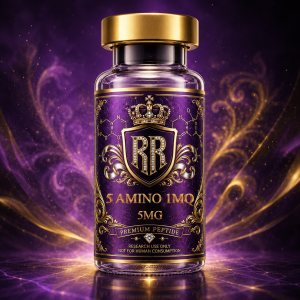
5 Amino 1MQ

5-Amino-1MQ is a synthetic small-molecule inhibitor of Nicotinamide N-methyltransferase (NNMT), investigated in preclinical models for its role in NAD⁺ preservation, mitochondrial biogenesis, and SIRT1/AMPK pathway activation. Research applications include metabolic regulation, cellular energy homeostasis, and adipose tissue remodeling studies.


Blend BPC-157 + TB-500

BPC-157 + TB-500 Blend is a dual-peptide research formulation combining a gastric pentadecapeptide with a Thymosin Beta-4 fragment. Investigated in preclinical models for complementary roles in VEGF-mediated angiogenesis, actin-regulated cellular migration, and extracellular matrix remodeling across musculoskeletal and vascular research applications.

Blend Cagrilintide + Semaglutide

CagriSema is an investigational dual-mechanism compound combining Cagrilintide, a long-acting amylin analog, with Semaglutide, a GLP-1 receptor agonist. Studied in Phase III clinical trials for complementary gut-brain axis modulation, glycemic regulation, and cardiometabolic pathway research under the REDEFINE program.

Blend CJC-1295 no DAC + Ipamorelin

CJC-1295 (No DAC) + Ipamorelin is an investigational dual-peptide blend combining a GHRH analog with a selective ghrelin mimetic GHS. Studied in research settings for synergistic pulsatile growth hormone secretion, IGF-1 axis modulation, and neuroendocrine signaling under controlled laboratory conditions.

Botulinum Toxin

Botulinum Toxin is a neurotoxic protein derived from Clostridium botulinum, widely studied for therapeutic and aesthetic applications. It acts by inhibiting acetylcholine release at neuromuscular junctions, producing localized muscle relaxation, with diverse clinical utility across neurology, dermatology, and cosmetic medicine.

BPC-157

BPC‑157 is a synthetic peptide fragment derived from human gastric juice protein. Investigated for its regenerative and cytoprotective properties, it modulates angiogenesis, nitric oxide pathways, and tissue repair, with preclinical evidence across musculoskeletal, gastrointestinal, and neurovascular injury models.

Cagrilintide

Cagrilintide is a long‑acting synthetic amylin analog under investigation for obesity and metabolic disorders. It targets amylin receptors (AMYR1–3) to enhance satiety, delay gastric emptying, and modulate gut‑brain signaling, with promising Phase II/III trial outcomes in weight management research.

CJC-1295 no DAC

CJC‑1295 no DAC is a synthetic growth hormone–releasing hormone (GHRH) analog designed for short‑acting pharmacokinetics. It stimulates pituitary GH secretion, enhances IGF‑1 production, and supports anabolic, metabolic, and recovery pathways, studied in preclinical and investigational performance optimization contexts.

CJC-1295 with DAC

CJC‑1295 with DAC is a long‑acting synthetic GHRH analog engineered with a drug affinity complex (DAC) modification. It prolongs half‑life, sustains pituitary GH release, elevates IGF‑1 levels, and supports anabolic, metabolic, and recovery pathways in investigational clinical and performance contexts.

DSIP

DSIP is a naturally occurring neuropeptide identified in mammalian brain tissue, studied for its role in sleep regulation, stress modulation, and endocrine balance. Investigational research explores its potential in circadian rhythm stabilization, neuroprotection, and therapeutic applications for sleep disorders.

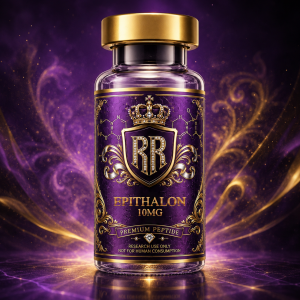
Epithalon

Epithalon (Epitalon) is a synthetic tetrapeptide derived from natural epithalamin, studied for its role in telomerase activation, cellular longevity, and circadian rhythm regulation. Investigational research explores anti‑aging, neuroprotective, and endocrine‑modulating properties in preclinical and limited clinical contexts.

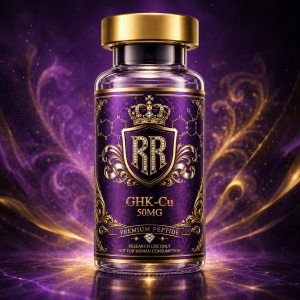
GHK-Cu

GHK‑Cu is a naturally occurring copper‑binding tripeptide (glycyl‑histidyl‑lysine) studied for regenerative, anti‑inflammatory, and wound‑healing properties. It modulates gene expression, stimulates collagen synthesis, and supports tissue repair, with applications in dermatology, anti‑aging, and investigational therapeutic research.
GHRP-2

GHRP‑2 is a synthetic hexapeptide growth hormone secretagogue that stimulates pituitary GH release via ghrelin receptor activation. Investigated for anabolic, metabolic, and recovery benefits, it enhances IGF‑1 production and supports tissue repair in preclinical and investigational performance research contexts.

GHRP-6

GHRP‑6 is a synthetic hexapeptide growth hormone secretagogue that activates ghrelin receptors to stimulate pituitary GH release. Investigated for anabolic, metabolic, and recovery benefits, it elevates IGF‑1 levels and modulates appetite regulation in preclinical and investigational research contexts.

GLOW

GLOW is an investigational peptide‑based formulation studied for regenerative, metabolic, and performance‑enhancing properties. It modulates cellular signaling, supports tissue repair, and influences neuroendocrine pathways, with ongoing research into its potential applications in wellness, recovery, and anti‑aging contexts.


GLP-3RT

GLP-3RT  is a novel investigational peptide drug acting as a triple agonist of GLP‑1, GIP, and glucagon receptors. It is studied for obesity, type 2 diabetes, and metabolic disorders, showing promising efficacy in weight reduction and glycemic control.

HCG

HCG is a glycoprotein hormone produced during pregnancy, studied for its role in reproductive endocrinology. It stimulates gonadal steroidogenesis, supports luteal function, and is used clinically in fertility treatments, hypogonadism management, and investigational metabolic and performance research contexts.

IGF-1 LR3

IGF‑1 LR3 is a synthetic analog of human insulin‑like growth factor‑1, engineered with a long arginine substitution to extend half‑life. It enhances anabolic signaling, supports muscle growth, tissue repair, and metabolic regulation in investigational performance and regenerative research contexts.

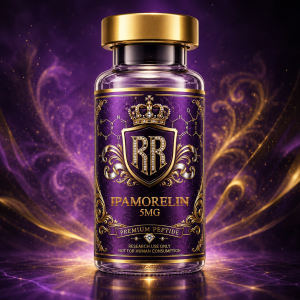
Ipamorelin

Ipamorelin is a selective synthetic pentapeptide growth hormone secretagogue. It activates ghrelin receptors to stimulate pituitary GH release, elevates IGF‑1 levels, and supports anabolic, metabolic, and recovery pathways, with a favorable safety profile compared to earlier GHRPs.

Kisspeptin-10

Kisspeptin‑10 is a synthetic decapeptide fragment of the endogenous Kisspeptin family, studied for its role in reproductive endocrinology. It activates GPR54 (KISS1R) receptors, stimulating GnRH release, and is investigated for fertility regulation, puberty onset, and neuroendocrine research applications.

KLOW

KLOW is an investigational peptide‑based formulation studied for regenerative, metabolic, and performance‑enhancing properties. It modulates cellular repair pathways, supports tissue recovery, and influences neuroendocrine signaling, with ongoing research into wellness, longevity, and anti‑aging applications.

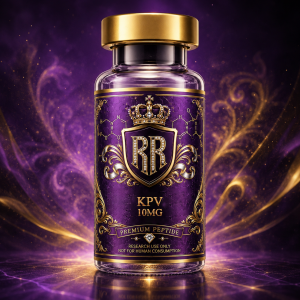
KPV

KPV is a naturally occurring tripeptide fragment of α‑melanocyte‑stimulating hormone (α‑MSH). It exhibits potent anti‑inflammatory and immunomodulatory properties, studied for applications in wound healing, gastrointestinal protection, dermatology, and investigational therapeutic research.

Melanotan 2

Melanotan‑2 is a synthetic cyclic heptapeptide analog of α‑MSH (alpha‑melanocyte‑stimulating hormone). It activates melanocortin receptors to induce skin pigmentation, modulate appetite, and influence sexual function, studied in investigational dermatology, metabolic, and neuroendocrine research contexts.

MOTS-C

MOTS‑C is a mitochondrial‑derived peptide encoded within mitochondrial DNA. It regulates metabolic homeostasis, enhances insulin sensitivity, and supports cellular adaptation to stress. Investigational research explores its role in energy balance, exercise performance, and age‑related metabolic disorders.

NAD+

NAD⁺ is a vital coenzyme found in all living cells, essential for redox reactions, energy metabolism, and cellular signaling. Investigational research explores its role in aging, mitochondrial function, DNA repair, and therapeutic applications in metabolic and neurodegenerative disorders.

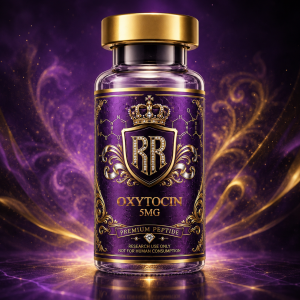
Oxytocin

Oxytocin is a naturally occurring peptide hormone produced in the hypothalamus and secreted by the posterior pituitary. It regulates uterine contractions, lactation, and social bonding, with investigational roles in emotional regulation, stress response, and psychiatric research.

PT-141

PT‑141 (Bremelanotide) is a synthetic melanocortin receptor agonist derived from Melanotan‑2. It is FDA‑approved for treating hypoactive sexual desire disorder (HSDD) in premenopausal women, acting via central neuroendocrine pathways rather than peripheral vascular mechanisms.

Reconstitution Solution

Reconstitution Solution for Injection is a USP-grade sterile, non-pyrogenic aqueous solution containing 0.9% benzyl alcohol as a bacteriostatic preservative. Widely used in research laboratories as a multi-dose reconstitution solvent for lyophilized peptides and investigational compounds requiring extended in-use stability.

Selank

Selank is a synthetic heptapeptide analog of tuftsin, studied for its anxiolytic, nootropic, and immunomodulatory properties. It modulates GABAergic and serotonergic systems, reduces anxiety, and enhances cognitive function in investigational neuropsychiatric and stress‑related research contexts.

Semaglutide

Semaglutide is a synthetic GLP‑1 receptor agonist used for type 2 diabetes and obesity management. It improves glycemic control, reduces appetite, and supports weight loss, with additional cardioprotective and renal benefits in investigational and approved therapeutic contexts.

Semax

Semax is a synthetic heptapeptide analog of adrenocorticotropic hormone (ACTH 4‑10 fragment). It is studied for neuroprotective, nootropic, and anxiolytic properties, enhancing cognitive performance, memory, and stress resilience in investigational neuroscience and clinical research contexts.

Sermorelin

Sermorelin is a synthetic peptide analog of growth hormone‑releasing hormone (GHRH 1‑29). It stimulates the pituitary to release endogenous growth hormone, supporting IGF‑1 production, tissue repair, and metabolic regulation in investigational endocrinology and age‑related research contexts.

SS-31 (Elamipretide)

SS‑31 (Elamipretide) is a mitochondria‑targeted tetrapeptide studied for its ability to reduce oxidative stress, stabilize cardiolipin, and improve mitochondrial bioenergetics. It is investigated in cardiovascular, neurodegenerative, and age‑related disorders as a potential regenerative therapeutic.

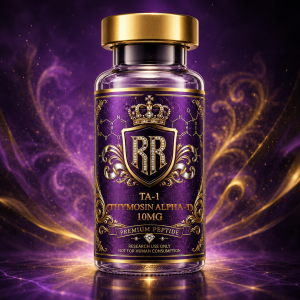
TA-1 (Thymosin Alpha-1)

Thymosin Alpha‑1 (Tα1) is a synthetic peptide fragment derived from thymic hormones, studied for its immunomodulatory and antiviral properties. It enhances T‑cell function, supports immune regulation, and is used in investigational therapies for infections, cancer, and immune disorders.

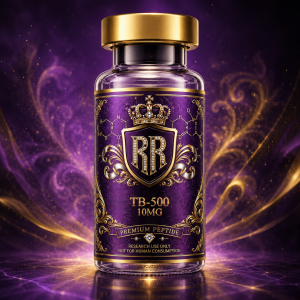
TB-500

TB‑500 is a synthetic peptide fragment of Thymosin Beta‑4, studied for its regenerative, wound‑healing, and angiogenic properties. It promotes tissue repair, reduces inflammation, and enhances recovery in musculoskeletal, cardiovascular, and investigational regenerative medicine contexts.

Tesamorelin

Tesamorelin is a synthetic peptide analog of growth hormone‑releasing hormone (GHRH 1‑44). It stimulates pituitary GH secretion, elevates IGF‑1, and is FDA‑approved for reducing visceral adiposity in HIV‑associated lipodystrophy, with investigational roles in metabolic and aging research.

Thymalin

Thymalin is a synthetic polypeptide complex derived from thymic extracts, studied for its immunomodulatory and geroprotective properties. It regulates T‑cell differentiation, enhances immune resilience, and has been investigated in aging, oncology, and infectious disease research contexts.

Tirzepatide

Tirzepatide is a dual incretin agonist targeting GLP‑1 and GIP receptors. It improves glycemic control, reduces appetite, and promotes weight loss, with FDA approval for type 2 diabetes and investigational use in obesity and cardiometabolic disorders.
Scroll to Top